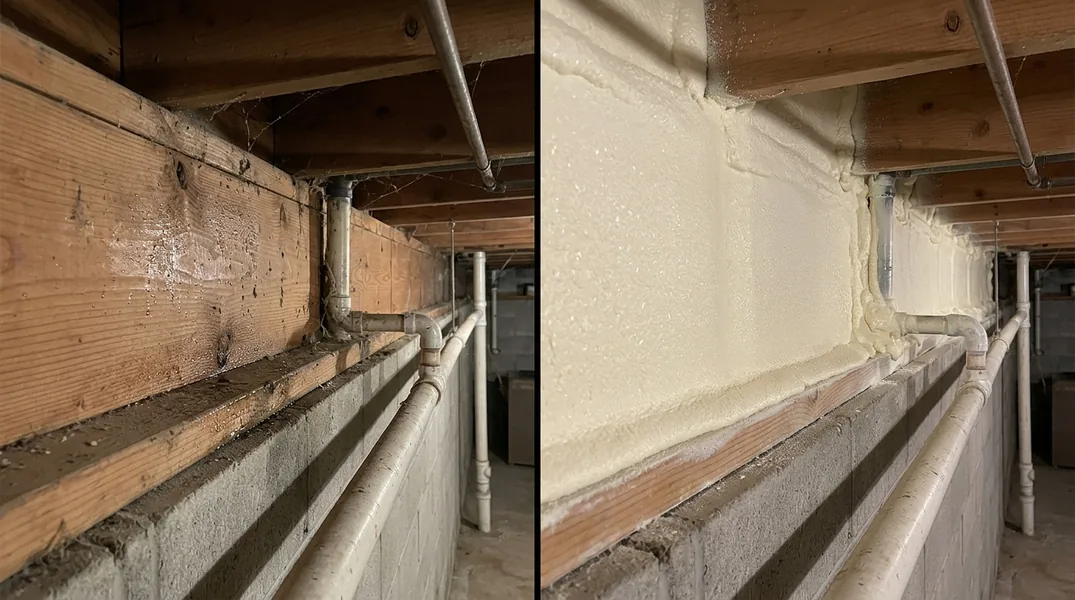
Understanding Spray Foam Attic Insulation: The Two Main Types
When you're exploring Attic Spray Foam Insulation options for your Minneapolis home, you'll quickly discover that not all spray foam is created equal. The two primary categories, open cell and closed cell spray foam, offer distinctly different benefits and drawbacks. Understanding these differences is crucial before making an investment in your home's insulation.
Both types work by expanding when applied to fill gaps and cracks in your attic space, creating an air seal that reduces heat transfer. However, their composition, performance characteristics, and cost profiles vary significantly. Choosing between them depends on your specific climate needs, budget, and long-term goals for your home's energy efficiency.
Open Cell Spray Foam: Affordable and Breathable
Open Cell Spray Foam Insulation features a lower density structure with cells that are not completely closed off from one another. This design makes it lighter, more flexible, and significantly more affordable than its closed cell counterpart. The material typically costs between 35 and 50 percent less per board foot, making it an attractive option for homeowners watching their budget.
One of the key advantages of open cell foam is its breathability. This characteristic allows moisture vapor to pass through the material, which can be beneficial in certain attic configurations. Open cell foam also provides excellent sound dampening properties, making it ideal if noise reduction is a concern. The material expands more than closed cell foam, which means it can fill irregular spaces effectively and provides a good air seal when installed properly.
However, open cell foam has a lower R-value per inch (typically around R-3.5 to R-3.8) compared to closed cell alternatives. This means you'll need to apply a thicker layer to achieve the same insulation performance. Additionally, open cell foam is more permeable to water, so it's not the best choice if your attic has moisture issues or if you're in a particularly humid climate. In Minneapolis, where winters are cold and attic moisture can be a concern, this factor deserves careful consideration.
Closed Cell Spray Foam: Maximum Performance and Durability
Closed Cell Spray Foam Insulation features a denser structure where the cells are completely enclosed, creating a more rigid and moisture-resistant material. This type of foam delivers superior insulation performance, with R-values typically ranging from R-6 to R-7 per inch. This means you need less material to achieve your target R-value, which can be a significant advantage in space-constrained attics.
The closed cell structure provides exceptional moisture resistance, making it an excellent choice for attics prone to condensation or in climates with high humidity levels. It also offers superior structural support and can even contribute to the overall rigidity of your roof structure. The material acts as a vapor barrier, which helps prevent moisture infiltration and protects your insulation investment from degradation over time.
The primary drawback of closed cell foam is its higher cost, typically ranging from two to three times more expensive than open cell options. The installation process is also more specialized and requires professional expertise. Despite the higher initial investment, many homeowners find the long-term benefits of closed cell foam justify the expense, particularly in older homes or those with existing moisture concerns. The superior performance and durability mean you're investing in a solution that will protect your home for decades to come.
Sealed Attic Insulation: Creating an Unvented Attic Space
When you choose spray foam for your attic, you're essentially creating a sealed attic insulation system, often called an unvented attic spray foam configuration. This approach differs fundamentally from traditional fiberglass or cellulose insulation combined with ventilation. By sealing your attic with spray foam, you're creating a conditioned space that becomes part of your home's thermal envelope.
This sealed approach offers several advantages. First, it prevents air leakage that typically occurs around ductwork, electrical penetrations, and other attic elements. Second, it eliminates the need for attic ventilation, which can reduce cooling efficiency in summer and allow warm air to escape in winter. Third, it creates a more stable temperature and humidity environment inside your attic, which can extend the life of roofing materials and reduce the risk of ice damming during cold Minneapolis winters.
A sealed attic also provides the opportunity to run HVAC ducts and equipment in the attic without losing conditioned air to unconditioned space. This can improve your heating and cooling system's overall efficiency. However, creating a properly sealed attic requires precise installation and often necessitates additional ventilation considerations for your roof and any attic-mounted equipment. This is why professional installation from experienced contractors is essential for success.
Climate Considerations: What Works Best for Minneapolis Homes
Minneapolis experiences a cold climate with significant temperature swings between seasons. Winters are harsh with temperatures regularly dropping well below freezing, while summers can be warm and occasionally humid. These climate conditions make your attic insulation choice particularly important for maintaining comfort and managing energy costs year-round.
For Minneapolis homes, closed cell spray foam often proves to be the better long-term investment despite its higher upfront cost. The superior R-value means better protection against winter heat loss, which is critical in a climate where heating costs consume a significant portion of energy budgets. The moisture resistance also protects against ice damming and condensation issues that plague many older Minneapolis homes. If your budget allows, closed cell foam provides the performance level most suited to our regional climate challenges.
That said, open cell foam can still be a viable option if properly installed and if your attic doesn't have significant moisture concerns. The key is ensuring proper ventilation and moisture management throughout the attic space. Some homeowners in Minneapolis opt for a hybrid approach, using closed cell foam in moisture-prone areas and open cell foam elsewhere to balance cost and performance. Whatever you choose, working with a knowledgeable local contractor who understands Minneapolis climate specifics is essential for making the right decision.
Attic Spray Foam Insulation Cost in Minneapolis: What to Budget
The cost of spray foam insulation varies considerably based on the type you choose, the size of your attic, and the complexity of the installation. Open cell spray foam typically costs between $0.50 and $1.00 per board foot, while closed cell spray foam ranges from $1.50 to $3.00 per board foot or more. For a typical 1,500 square foot attic space, you might expect to invest anywhere from $3,000 to $10,000 or more depending on the foam type and depth required.
Beyond the material costs, professional installation fees vary by contractor and project complexity. Minneapolis Spray Foam Insulation provides detailed pricing information and can help you understand exactly what you'll pay for your specific project. Rather than viewing spray foam as a simple expense, consider it an investment in energy efficiency that typically pays for itself through reduced heating and cooling costs within 5 to 10 years, depending on your current insulation situation and energy usage patterns.
When budgeting for your attic spray foam project, also factor in potential additional work such as air sealing around penetrations, installation of baffles or ventilation components, and any necessary structural repairs. Getting a comprehensive free estimate from Minneapolis Spray Foam Insulation will give you a complete picture of what your project will cost and help you plan your budget accordingly.
Making Your Decision: Professional Guidance Matters
Choosing between open cell and closed cell spray foam ultimately depends on your specific situation, budget, and priorities. Both materials offer significant improvements over traditional insulation methods, but they excel in different circumstances. The best way to determine which option is right for your Minneapolis home is to consult with experienced professionals who understand your local climate and can assess your attic's unique characteristics.
Minneapolis Spray Foam Insulation has helped countless homeowners make this decision and install the right insulation solution for their needs. Our team can evaluate your attic, discuss your energy efficiency goals, and recommend the foam type that will deliver the best long-term value for your investment. Whether you're dealing with an older home with drafty attics or a newer construction needing upgraded insulation, we have the expertise to guide you through the process.
Don't let confusion about spray foam options prevent you from improving your home's comfort and efficiency. Contact Minneapolis Spray Foam Insulation at (612) 441-5734 or request a free estimate today. Our team is ready to answer your questions and help you make an informed decision about your attic insulation needs.
Looking for a professional spray foam insulation contractor in Minneapolis? Minneapolis Spray Foam Insulation responds fast for all your spray foam insulation needs.
Get a Free Quote