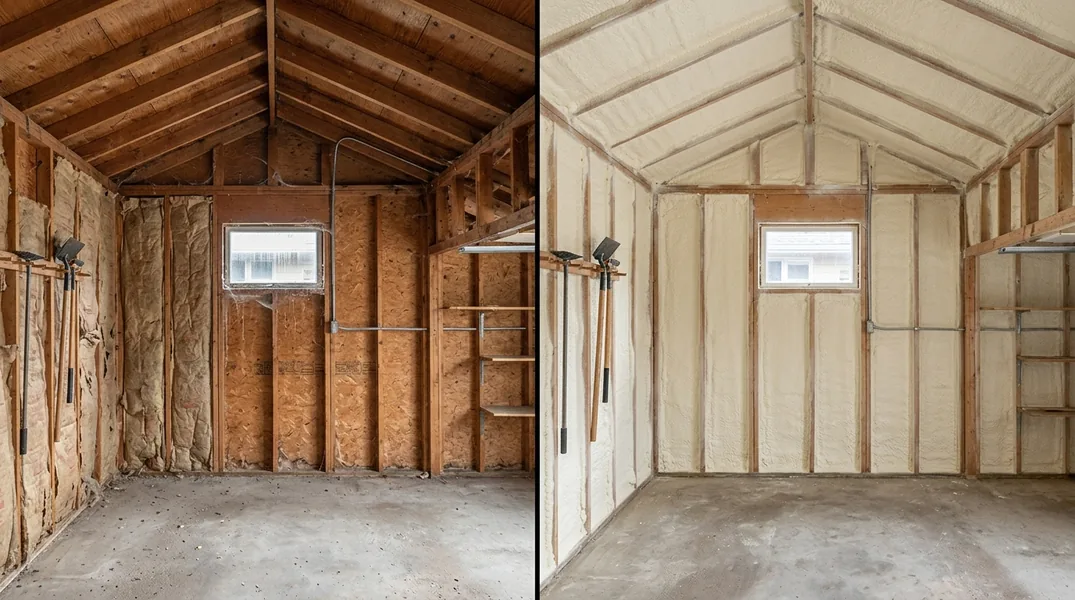
Why Permits Matter for Your Spray Foam Project
Before you schedule Attic Spray Foam Insulation work in Minneapolis, understanding the permit process is essential. Many homeowners assume that insulation upgrades don't require permits, but this assumption can lead to costly complications down the road. Permits exist to protect your home's safety, ensure work meets building codes, and maintain the integrity of your property.
Minneapolis has specific building codes that govern insulation installation, particularly in attics where ventilation, fire safety, and vapor barriers come into play. When you work with a professional insulation contractor, they should handle permit applications as part of their standard process. However, knowing what questions to ask about permits before work begins will help you avoid delays, unexpected costs, and potential issues when selling your home or filing insurance claims.
Understanding Permit Requirements in Minneapolis
The City of Minneapolis requires permits for most insulation projects, especially those involving spray foam application. This is because spray foam insulation, whether Open Cell Spray Foam Insulation or Closed Cell Spray Foam Insulation, must be installed correctly to meet fire safety codes and energy efficiency standards. The permit process ensures that your contractor is insured, and following local building guidelines.
When you contact Minneapolis Spray Foam Insulation at (612) 441-5734, ask whether your specific project requires a building permit. Most attic insulation work does, but the scope and complexity of your project will determine the exact requirements. Some smaller projects or re-insulation jobs may fall under different categories than new construction work. Your contractor should be able to clearly explain what permits are needed and who will be responsible for obtaining them.
Open Cell vs Closed Cell: How Foam Type Affects Permits
One of the first questions to ask your contractor is whether the type of spray foam you choose affects permit requirements. Open Cell Spray Foam Insulation and Closed Cell Spray Foam Insulation are both legitimate insulation solutions, but they have different properties that may influence local code compliance. Open cell foam is more permeable and allows moisture to pass through, while closed cell foam creates a vapor barrier and provides greater structural support.
Minneapolis building codes may have specific requirements about which foam type can be used in certain applications. For example, if your attic requires a vapor barrier due to climate conditions in the Twin Cities area, closed cell foam might be the code-compliant choice. Conversely, if ventilation is critical to your attic design, open cell foam might be preferred. When you get a free estimate, make sure the contractor discusses how foam type selection impacts your permit application. This conversation will help ensure your project moves forward without code violations or required modifications after installation.
Closed Cell Spray Foam R Value and Code Compliance
Energy codes in Minnesota specify minimum insulation R-values for different areas of your home, including attics. The Closed Cell Spray Foam Insulation R-value typically ranges from 6.0 to 6.5 per inch, making it one of the most efficient insulation options available. Before your project receives a permit, the inspector will verify that your installation meets or exceeds the required R-value for your climate zone.
Ask your contractor what the minimum R-value requirement is for your attic under current Minneapolis building codes. Then confirm that the proposed foam thickness will achieve that target. The Closed Cell Spray Foam Insulation R-value performance means you may need less material thickness than with traditional fiberglass batts, but the permit inspector will want documentation proving the final R-value meets code. Similarly, if you're considering Open Cell Spray Foam Insulation, which has an R-value of approximately 3.5 to 3.8 per inch, you'll need greater thickness to meet the same code requirements. This directly affects your project scope and timeline.
Key Permit Questions to Ask Before Work Begins
Before signing a contract for your Attic Spray Foam Insulation project, prepare a list of specific permit-related questions. Start by asking whether your contractor will obtain the permit or if that responsibility falls to you as the homeowner. A reputable Minneapolis-based company should handle this as part of their service. Ask for a timeline showing when the permit will be applied for and how long approval typically takes in your area. Understanding this schedule helps you plan your project and avoid unexpected delays.
Also ask about inspection requirements. Most insulation projects require at least one inspection, but some may require inspections at different stages (before foam application, after foam application, and after any finishing work). Ask what documentation you'll receive after the project is complete, such as a permit sign-off or certificate of compliance. Finally, inquire about costs. While permit fees are usually modest, ask whether they're included in your quoted pricing or if they're additional expenses. Transparency on these points will help you budget accurately and avoid surprises.
Choosing a Insured Contractor Who Handles Permits Professionally
The best way to ensure your spray foam project stays on the right side of Minneapolis building codes is to work with a insured contractor who has experience navigating the local permit process. Minneapolis Spray Foam Insulation brings years of local expertise and understands the specific requirements for attic work in the Twin Cities. When you contact us at (612) 441-5734 or request a free estimate, we'll walk you through the entire permit process and answer any questions you have about codes, R-values, and timelines.
A professional contractor will also communicate with local building inspectors, ensuring your project meets all safety and efficiency standards. They'll know whether your attic needs additional ventilation considerations, whether fire-blocking is required around electrical penetrations, and whether your chosen foam type complies with current regulations. By choosing an experienced local partner, you protect your investment, ensure your home's safety, and maintain your property's resale value. Don't let permit confusion delay your insulation upgrade. Reach out today and let us guide you through every step of the process.
Looking for a professional spray foam insulation contractor in Minneapolis? Minneapolis Spray Foam Insulation responds fast for all your spray foam insulation needs.
Get a Free Quote